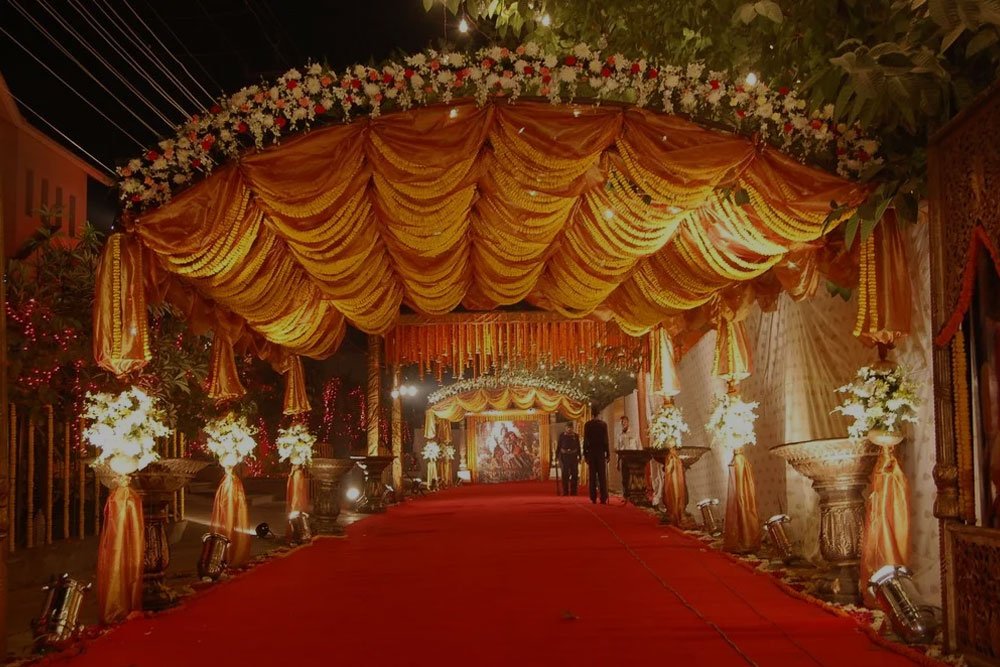
By Parikrama Wedding – Expert Wedding Planning & Event Management
One of the first and most important steps in wedding planning is creating a realistic budget. Your wedding budget will influence every decision—from the venue and guest list to décor, catering, and entertainment.
The good news? A beautiful and memorable wedding doesn’t have to break the bank. With proper planning and smart spending, couples can create an extraordinary celebration that aligns with their financial goals. This comprehensive wedding budget guide will help you understand wedding expenses, avoid common financial mistakes, and make informed decisions throughout the planning process.
Why Setting a Wedding Budget Matters
A wedding budget serves as your financial roadmap. It helps you:
- Avoid overspending
- Prioritize what matters most
- Reduce stress during planning
- Allocate funds efficiently
- Make confident decisions
Before booking vendors or choosing a venue, determine exactly how much you’re comfortable spending.
Setting a Realistic Wedding Budget
1. Determine Your Total Budget
Start by answering:
- How much can you contribute?
- Are family members helping financially?
- Will you be paying for a honeymoon separately?
- Do you have emergency savings that should remain untouched?
2. Prioritize Your Wedding Vision
Every couple values different experiences.
Ask yourselves:
- Is food the top priority?
- Do you want luxury décor?
- Is photography most important?
- Do you dream of a destination wedding?
- Is guest experience your main focus?
Your priorities should guide budget allocation.
3. Build a Financial Cushion
Reserve at least 5–10% of your total budget for unexpected expenses.
Unexpected costs almost always arise during wedding planning.
Major Wedding Expense Categories
Understanding where your money goes helps avoid surprises.
Venue & Accommodation
Typically one of the largest wedding expenses.
Includes:
- Venue rental
- Guest rooms
- Banquet halls
- Outdoor locations
- Destination wedding arrangements
Typical allocation: 20–30%
Catering & Beverages
Food often accounts for the largest portion of the budget.
Includes:
- Welcome drinks
- Starters
- Main course
- Desserts
- Live food counters
Typical allocation: 25–40%
Décor & Floral Design
Creates the visual impact of the wedding.
Includes:
- Stage décor
- Floral arrangements
- Lighting
- Entrance design
- Table settings
Typical allocation: 10–20%
Photography & Videography
Your wedding photos and films preserve memories forever.
Includes:
- Wedding day coverage
- Pre-wedding shoot
- Cinematic films
- Albums
Typical allocation: 8–15%
Entertainment
Keeps guests engaged throughout the celebration.
Includes:
- DJ
- Live bands
- Performers
- Emcee
Typical allocation: 5–10%
Wedding Attire
Includes:
- Bridal outfits
- Groom’s attire
- Accessories
- Alterations
Typical allocation: 5–15%
Beauty & Grooming
Includes:
- Bridal makeup
- Hair styling
- Groom grooming services
- Trial sessions
Typical allocation: 2–5%
Invitations & Stationery
Includes:
- Printed invitations
- Digital invites
- Wedding signage
- Thank-you cards
Typical allocation: 1–3%
Sample Wedding Budget Breakdown
Example: ₹15 Lakh Wedding Budget
| Category | Percentage | Budget |
| Venue | 20% | ₹3,00,000 |
| Catering | 30% | ₹4,50,000 |
| Décor | 15% | ₹2,25,000 |
| Photography | 10% | ₹1,50,000 |
| Entertainment | 5% | ₹75,000 |
| Attire | 8% | ₹1,20,000 |
| Beauty | 2% | ₹30,000 |
| Invitations | 2% | ₹30,000 |
| Miscellaneous | 8% | ₹1,20,000 |
Example Budgets for Different Wedding Sizes
Intimate Wedding (50–100 Guests)
Estimated Budget: ₹3–8 Lakhs
Suitable for:
- Close family gatherings
- Boutique weddings
- Private destination celebrations
Major expenses:
- Venue
- Catering
- Photography
Advantages:
- Lower costs
- More personalized experience
- Easier logistics
Medium Wedding (150–300 Guests)
Estimated Budget: ₹10–25 Lakhs
Suitable for:
- Traditional family weddings
- Multi-event celebrations
Major expenses:
- Catering
- Décor
- Entertainment
Advantages:
- Balanced guest experience
- Flexible customization options
Large Wedding (300–600+ Guests)
Estimated Budget: ₹25–60 Lakhs+
Suitable for:
- Grand celebrations
- Luxury weddings
- Multi-day events
Major expenses:
- Venue
- Catering
- Guest management
- Décor
Advantages:
- Spectacular experience
- Extensive entertainment options
- Large family participation
Hidden Wedding Costs Couples Often Forget
Many couples underestimate these expenses.
Transportation
- Airport pickups
- Guest transfers
- Bridal entry vehicles
Vendor Meals
Many vendors require meal arrangements during long events.
Taxes & Service Charges
Always ask vendors whether taxes are included.
Accommodation Upgrades
Extra rooms are often required at the last minute.
Wedding Favors
Small gifts can become a significant expense.
Outfit Alterations
Tailoring and last-minute adjustments add up quickly.
Marriage Registration Fees
Legal paperwork may involve additional costs.
Emergency Purchases
- Extra flowers
- Weather-related arrangements
- Backup transportation
Always keep a contingency fund ready.
Ways to Save Money Without Sacrificing Quality
Limit the Guest List
The easiest way to reduce costs is reducing guest count.
Every guest affects:
- Food
- Seating
- Gifts
- Transportation
- Accommodation
Choose Off-Season Dates
Wedding venues often offer better pricing during non-peak months.
Potential savings:
- Venue rental
- Hotel bookings
- Vendor packages
Use Digital Invitations
Digital invites can significantly reduce printing and courier expenses.
Benefits:
- Eco-friendly
- Cost-effective
- Easy RSVP management
Bundle Vendor Services
Many event management companies offer packages that include:
- Planning
- Décor
- Coordination
- Entertainment
Bundled services often reduce overall costs.
Focus on High-Impact Décor Areas
Instead of decorating every corner, invest in:
- Entrance
- Stage
- Photo booths
- Dining centerpiece areas
Guests remember focal points most.
Areas Worth Investing In
Not every wedding expense deserves equal attention.
Photography & Videography
The wedding day lasts hours.
Memories last forever.
Quality photography is one of the best investments.
Professional Wedding Planning
Experienced planners help:
- Prevent costly mistakes
- Negotiate with vendors
- Manage logistics
- Reduce stress
A planner often saves more money than they cost.
Guest Experience
Guests remember:
- Food
- Comfort
- Hospitality
- Entertainment
Prioritize these areas whenever possible.
Reliable Vendors
The cheapest vendor is not always the best choice.
Reliable professionals provide:
- Better service
- Fewer surprises
- Greater peace of mind
Budget Tracking Tips
Create a Wedding Budget Spreadsheet
Track:
- Estimated cost
- Actual cost
- Payments made
- Remaining balance
Record Every Expense
Even small purchases add up quickly.
Examples:
- Safety kits
- Extra décor items
- Gifts
- Stationery
Schedule Monthly Budget Reviews
Review spending regularly to avoid last-minute shocks.
Use the 80/20 Rule
Allocate 80% of your budget to essential priorities and keep 20% flexible for upgrades and unexpected expenses.
Maintain an Emergency Fund
Set aside:
- 5–10% of total budget
This prevents financial stress when unexpected expenses occur.
Final Thoughts
A well-planned wedding budget isn’t about spending less—it’s about spending wisely. By setting realistic expectations, prioritizing what matters most, and tracking expenses carefully, couples can create a memorable celebration without financial strain.
At Parikrama Wedding, we help couples design extraordinary weddings that match both their vision and budget. From vendor management and décor planning to guest coordination and budget optimization, our team ensures every rupee is spent effectively while creating unforgettable experiences.
Ready to Plan Your Dream Wedding?
Contact Parikrama Wedding today for personalized wedding planning and budget consultation services. Let us turn your dream wedding into a beautifully managed reality.